
1. Confirmed case of measles in Dane County.

    See community exposure locations

Supporting Food Security

Our food security experts collaborate with partners across the food security sector to promote food access for all. 

Food insecurity is more than hunger.
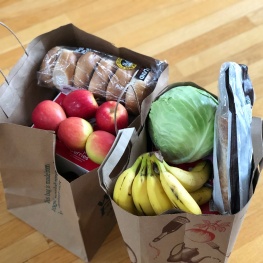
paper bags of apples, bananas, cabbage, bagels, and bread from a grocery store

Food insecurity can look like: 

  • Skipping meals or going hungry
  • Eating the same things over and over because it’s what you can afford
  • Anxiety about running out of food 
  • Choosing between buying food and other necessities
  • Negative health outcomes related to not having access to enough nutritious food

Get Help With Food

Are you struggling to afford food? There are options that can help. 

The Scope of Food Insecurity

In Dane County: 

  • 10.7% or 60,190 people were food insecure in 2023

    Source: Feeding America

  • 8.4% Of adults reported always, usually, or sometimes running out of food

    Source: Behavioral Risk Factor Survey, 2022-2024

  • 13% Of high school students said that if they didn’t get breakfast or lunch at school, they wouldn’t eat at all most days

    Source: Dane County Youth Assessment, 2024


Food Safety Nets Are More Important Than Ever

Food insecurity is directly tied to cost of living. 

  • When people don’t have enough money, they can’t buy enough food. If they can buy food, they may not be able to buy enough variety of nutritious foods (think surviving off of beans and rice). 
  • Food prices have increased over the last few years. CBS News reports food prices increased by 18.2% from January 2022 to September 2025 (data from Consumer Price Index).  
  • In Dane County in 2023, 10% of families lived under the federal poverty level, and an additional 26% of families lived under the ALICE threshold. ALICE, or Asset Limited, Income Constrained, Employed, captures families that earn more than the poverty level but earn less than the cost of living. Financial hardship in Dane County varies by where people live and their race and ethnicity. 
In Dane County in 2023, nearly 4 in 10 (36%) of people didn't have enough money to pay for basic expenses. Four people out of ten highlighted in pink. One person marked as "below the poverty line" and three people marked as "above the poverty line, but below cost of living"

SNAP (FoodShare) is an important safety net.

In Dane County:  

  • FoodShare is also known as SNAP, EBT, or food stamps. It provides supplemental dollars for families with lower incomes to afford enough food so that fewer people go hungry. 
  • FoodShare helps people with lower incomes, people who are retired, and people who are disabled and can't work. There are requirements to sign up, and you have to sign up in the state you live in. 
  • Many different people use FoodShare, including older adults, people with disabilities, and people with young children. 
  • FoodShare does not usually replace a family’s full grocery bill. In Dane County in Oct 2025, the average monthly amount families received was $312. 
  • Learn more about FoodShare on the Department of Health Services website

What We Do

Emergency food system coordination through the Food Access Network

  • The Food Access Network is a coalition of emergency food programs (i.e. food pantries), school nutrition programs, senior meal programs, and other related nonprofits. 
  • The Network members improve food security systems in Dane County by sharing updates, collaborating on projects, and building stronger relationships. 
  • We lead the network and coordinate connections between organizations. 
  • We also track changes to federal, state, and local policies that affect food security and keep key partners informed of those changes.  
  • If your work touches food security, please consider joining the Food Access Network. Please email mfpc@cityofmadison.com to learn more. 

    Join the Food Access Network

Supporting nutrition assistance programs

  • We coordinate WIC (Women, Infants and Children), a supplemental nutrition program for pregnant people and people with children under 5 years old. Learn more about WIC. 
  • We support the Double Dollars Program, a local program that provides a dollar-to-dollar match for SNAP/FoodShare recipients buying food at farmers’ markets. Learn more about the Double Dollars program

Other food access work


How organizations and individuals can help 

  1. Economic security: Helping people have enough money to afford food and other necessities
  2. Access to affordable and nutritious food: Ensuring everyone lives close enough to places that have a variety of food, including fresh produce
  3. Nutrition assistance programs: Providing supplemental food for people at risk of hunger
  4. Emergency food system: Filling the gap via food banks, pantries, free meals, and other stopgaps

Learn more in our food insecurity report


Learn More

Was this page helpful to you? * required