
Staying safe during extreme heat
postedWhen the temperatures climb, the risk to your health does too. Extreme heat and high humidity can make you sick and cause heat exhaustion or heat stroke. There are some people who are at a greater risk. Keep reading to learn how to keep yourself safe, no matter your circumstances.
If you work outdoors, take heat seriously.
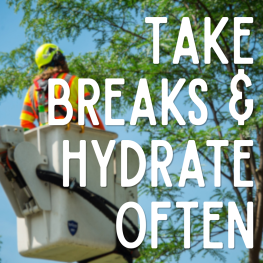
For people who work in construction, landscaping, farming, or any other outdoor job, staying inside during extreme heat isn't always possible. That's why it's especially important to understand the symptoms of heat-related illness and take steps to prevent it:
- Take frequent breaks in the shade or a cool area
- Drink water consistently throughout the day
- Pace yourself during the hottest parts of the day (especially midday and early afternoon)
- Watch for early signs of heat-related illness
Signs of heat stroke include extremely high body temperature, red, hot, dry skin with no sweat, rapid pulse, dizziness, and confusion. If you think you might be seeing signs of heat stroke in yourself or someone else, call 911 immediately and get under shade as soon as possible. Other heat-related illnesses include heat cramps and heat exhaustion.
Heat affects people differently.
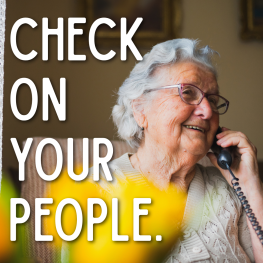
Extreme heat is uncomfortable for everyone, but some people are more vulnerable -- including older adults, children, people who are pregnant, and people with certain illnesses like chronic health conditions. Older adults are more likely to experience heat-related illnesses because the body's ability to regulate temperature changes with age.
If you have an older parent, grandparent, neighbor, or friend, a quick check-in can go a long way. A simple text, call, or visit can help ensure they're staying safe, hydrated, and cool.
If an older adult develops symptoms like dizziness, confusion, rapid pulse, or stops sweating despite being overheated, these may be signs of heat illness.
Keep kids cool during hot days.
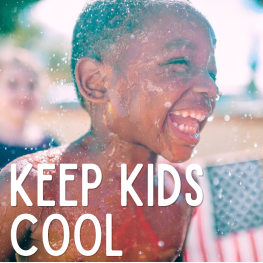
Children are also more vulnerable to extreme heat because their bodies heat up faster. They also may not recognize when they're getting overheated. During hot stretches, staying home in the air conditioning isn't always the easiest option with small kids. You can look for relief at public libraries, malls, local parks with shade, splash pads and pools or one of these volunteer cooling center locations.
If you do have to be outside, limit the amount of heavy activity they're doing, dress them in cool, light-colored clothing, and encourage them to drink water often, even if they're not thirsty yet.
Worrying about the cost of energy bills shouldn't be a barrier.
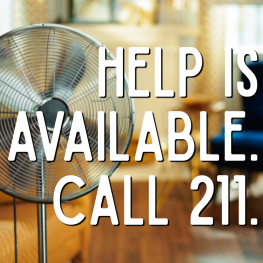
Keeping your home cool can get expensive during extended heat waves. For some, the cost of running the air conditioning during extreme heat can become a barrier to keeping cool. It is important to prioritize your health during periods of dangerous heat. Even a few degrees of cooling can reduce your risk of heat illness. If you're worried about utility costs:
- Close blinds, curtains, or shades during the hottest part of the day to help keep indoor temperatures lower.
- Use fans to improve air circulation but remember that fans do not cool the air and should not be the only way to stay safe during the heat.
- Spend time in air-conditioned public spaces, like libraries, malls, and community centers.
No one should have to choose between staying safe in the heat and paying their bills. Support may be available. 211 (United Way of Dane County) can help connect you with local assistance programs and resources.
This content is free for use with credit to Public Health Madison & Dane County .